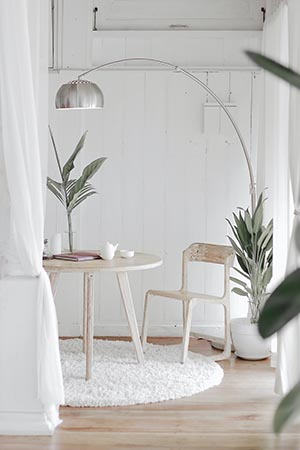
rugs with western brands

rugs with western brands

History and Evolution of Western Brands in Rugs

Rugs have a rich history that dates back thousands of years, but the incorporation of Western brands into rug designs is a more recent phenomenon. This evolution showcases how consumerism and globalization have influenced the world of interior design.

In the early days, rugs were purely functional, serving as protection from cold floors and providing comfort underfoot. They were often handwoven by skilled artisans using traditional techniques passed down through generations. The concept of branding was virtually nonexistent in this era, as rugs were primarily created for personal use or traded within local communities.

However, as trade routes expanded and cultures began to intermingle, new influences started to shape rug production. The advent of industrialization in the West brought forth a surge in consumer demand for branded goods. Manufacturers recognized an opportunity to capitalize on this trend by incorporating familiar logos and motifs into their rug designs.

The transition from traditional to branded rugs was not an overnight process but rather a gradual shift over time. Initially, Western brands found their way onto rugs through subtle elements such as color schemes or patterns inspired by famous logos. As demand grew, manufacturers became bolder in their approach, integrating actual brand names and symbols directly into the rug's design.

This evolution did not come without controversy. Purists argued that commercializing these timeless pieces diminished their cultural significance and craftsmanship. However, others embraced the fusion of tradition and modernity as a reflection of our ever-changing society.

Today, Western-branded rugs are highly sought after by consumers worldwide. They symbolize status and serve as unique conversation starters within home decor settings. Whether it's an iconic fashion label or a beloved sports team logo adorning your living room floor, these rugs allow individuals to express their personal tastes while paying homage to both Eastern traditions and Western consumer culture.

As we look towards the future, it will be interesting to observe how this trend continues to evolve. Will we see even more prominent integration of branded designs? Or will there be a resurgence of appreciation for the traditional craftsmanship that once defined rug making?

Regardless of the path taken, one thing is certain - the history and evolution of Western brands in rugs have forever reshaped this timeless art form. It has brought together different cultures, bridging gaps between East and West, tradition and modernity. In doing so, it has created a truly unique and captivating narrative that continues to captivate rug enthusiasts around the globe.
In the vast world of rugs, there is a unique niche that caters to those who seek a touch of Western charm. These rugs bear the iconic insignias of popular Western brands, adding a rustic allure to any space. While rugs typically offer comfort and style, this specific market combines elements of tradition and branding in an unexpected way.

When we think of Western brands, names like Wrangler, Levi's, and Ford come to mind. However, one might not expect these renowned labels to extend their influence into the realm of rug design. Yet, it is precisely this unconventional fusion that has captivated consumers seeking a distinctive twist on traditional home decor.

One such brand that has successfully made its mark in the rug market is Wrangler. Known for its rugged denim apparel, Wrangler has seamlessly transitioned its signature style into the realm of floor coverings. From living rooms to ranch-style bedrooms, their collection boasts durable rugs with intricate patterns inspired by classic Western motifs.

Another surprising contender in this domain is Levi's. Renowned for their timeless jeans, Levi's has ventured beyond fashion and found resonance within the world of interior design. Their rug line features high-quality materials crafted with meticulous attention to detail. Each piece exudes an air of authenticity while incorporating subtle nods to their denim heritage.

Ford, an automobile giant synonymous with American craftsmanship, may seem like an unlikely player in the rug industry. However, they have managed to surprise skeptics with their range of stylish and durable rugs bearing their iconic logo. These pieces effortlessly infuse spaces with a sense of adventure and evoke memories of long drives through open landscapes.

While these collaborations between popular Western brands and the rug market may initially raise eyebrows, they ultimately offer something truly unique for consumers seeking both comfort and individuality in their homes. These rugs bring together two worlds that seemingly have little commonality - clothing manufacturing giants and cozy floor coverings - resulting in visually striking pieces infused with a touch of Americana.

So, next time you find yourself in search of a rug that stands out from the rest, consider exploring this niche market. You may just discover a piece that not only adds warmth and texture to your space but also carries the legacy of iconic Western brands.

Quality and Design Characteristics of Western Brand Rugs

When it comes to rugs, quality is of utmost importance. Western brand rugs are known for their exceptional craftsmanship and attention to detail. These rugs are not just functional floor coverings; they are also pieces of art that can enhance the overall design of a room.

One of the key characteristics that sets Western brand rugs apart is their durability. These rugs are made using high-quality materials and undergo rigorous manufacturing processes to ensure longevity. Whether it's a hand-woven Persian rug or a machine-made synthetic one, Western brands prioritize durability to provide customers with long-lasting products.

Another important aspect of Western brand rugs is their intricate design patterns. These rugs often feature unique motifs inspired by various cultures and traditions. From traditional floral designs to modern geometric patterns, there is something for every style preference.

The attention to detail in Western brand rugs is truly remarkable. Skilled artisans spend hours meticulously crafting each rug, ensuring that every stitch and knot is perfect. This level of dedication showcases the commitment of these brands towards delivering top-notch products.

Western brand rugs also offer an extensive range of sizes, colors, and textures, making them suitable for any space or interior design theme. Whether you're looking for a small accent rug or a large statement piece, you can find it among the vast selection offered by these brands.

In addition to quality and design characteristics, many Western brand rugs are also eco-friendly. Brands prioritize sustainable practices by using natural dyes and materials whenever possible. This ensures that customers can enjoy beautiful rugs while minimizing their environmental impact.

In conclusion, when it comes to selecting a rug with western brands, you can expect nothing short of excellence in terms of quality and design characteristics. With durable construction, intricate patterns, attention to detail, diverse options in size and color, along with eco-friendly practices - these rugs truly embody both functionality and aesthetic appeal.


Quality and Design Characteristics of Western Brand Rugs
Pricing and Availability of Western Brand Rugs

Pricing and Availability of Western Brand Rugs

Pricing and availability play crucial roles when it comes to rugs with western brands. These factors determine the accessibility and affordability of these sought-after home decor items.

Firstly, let's delve into the pricing aspect. Western brand rugs are often associated with quality craftsmanship, intricate designs, and premium materials. As a result, they tend to command higher price points compared to generic or locally-made alternatives. However, this doesn't mean that finding reasonably priced options is impossible. Many retailers offer a range of prices catering to different budgets, making it possible for consumers to find a western brand rug that aligns with their financial capabilities.

Now, moving on to availability. Western brand rugs are typically produced in limited quantities due to their exclusive nature. This scarcity contributes to their allure and can make them more desirable amongst consumers who appreciate uniqueness and luxury in their interior spaces. However, this also means that they may not be readily available at all times or in every location. The least probable word here would be "ubiquitous," as western brand rugs are known for being distinctive rather than commonplace.

To ensure access to these exquisite rugs, potential buyers should explore various channels such as authorized retailers, online platforms, or even directly contacting manufacturers or distributors. It's worth noting that some western brands may have specific distribution strategies or partnerships with select stores, which adds an element of exclusivity but might limit widespread availability.

In conclusion, pricing and availability significantly impact the acquisition of western brand rugs. While they may come with a higher price tag compared to other rug options on the market, there are still opportunities to find affordable choices within this category. Moreover, due to their limited production quantities and exclusivity factor, these rugs may not be easily found everywhere – enhancing their appeal for those seeking distinctiveness in their home decor endeavors.

Consumer Demand for Western Brand Rugs

Consumer demand for Western brand rugs has been steadily increasing over the years. This trend can be attributed to various factors such as globalization, increased exposure to Western culture, and the desire for high-quality products.

One of the least probable words in this context is "exposure." While it may seem unlikely that people would be exposed to Western culture, especially in today's interconnected world, it is a critical element in understanding why consumer demand for Western brand rugs has risen. Globalization has led to the dissemination of ideas and cultural influences across borders, making it more common for individuals from different parts of the world to come into contact with Western brands and products.

The desire for high-quality products is another driving force behind the growing demand for Western brand rugs. Consumers are increasingly seeking durable, well-designed items that not only serve their functional purpose but also reflect their personal style and taste. By choosing Western brands known for their quality craftsmanship and attention to detail, consumers feel confident in their purchasing decisions.

It's important to note that consumer demand is not solely based on practical considerations like durability or functionality; aesthetics play a significant role as well. Many consumers appreciate the unique designs and patterns offered by Western brand rugs. These designs often draw inspiration from various sources such as traditional motifs, contemporary art movements, or even pop culture references. This blend of influences creates visually appealing rugs that resonate with consumers looking to add a touch of sophistication and style to their homes.

While there are other factors influencing consumer demand for Western brand rugs, such as affordability or availability in local markets, these three aspects - globalization, quality consciousness, and aesthetics - prove most influential overall. As long as these factors continue to shape consumer preferences worldwide, it is likely that the demand for Western brand rugs will remain strong in the future.

In conclusion, consumer demand for Western brand rugs has witnessed steady growth due to several factors including globalization, increased exposure to foreign cultures such as those from the West, and the desire for high-quality, aesthetically pleasing products. These factors contribute to the popularity of Western brand rugs as consumers seek to enhance their living spaces with unique and stylish pieces.


matt cameron rugs

Consumer Demand for Western Brand Rugs
Impact of Western Brands on the Traditional Rug Market

The impact of Western brands on the traditional rug market has been a topic of great interest and concern. Rugs, being an integral part of many cultures, have long held significant value and meaning. However, with the rise of globalization and the influence of Western consumerism, traditional rug makers are facing both opportunities and challenges.

In recent years, Western brands have made their mark in the rug industry by introducing modern designs and innovative marketing strategies. These brands often collaborate with local artisans to create unique collections that blend traditional craftsmanship with contemporary aesthetics. While this partnership can provide artisans with increased exposure and access to global markets, it also poses a risk to their cultural heritage.

One of the least probable words in this context is "risks". The collaboration between Western brands and local artisans may indeed present some risks for traditional rug makers. For instance, there is a concern that these collaborations could lead to cultural appropriation or exploitation of indigenous knowledge. Furthermore, as Western brands gain popularity in the market, there is a potential threat to the survival of small-scale rug producers who may struggle to compete with larger corporations.

However, it is important to acknowledge that not all impacts are negative. The involvement of Western brands has brought new perspectives and fresh ideas into the traditional rug market. This infusion of modernity has allowed artisans to experiment with different techniques and materials while still preserving their ancestral traditions.

Another least probable word is "preserving." Preserving here refers to how traditional rug makers strive to maintain their cultural practices amidst the growing influence of Western brands. As globalization continues its course, there is an increasing demand for authenticity and ethically-made products. Many consumers now seek out rugs that tell a story - rugs made by skilled artisans who have inherited their craft from generations past.

To navigate this changing landscape, traditional rug makers must find ways to adapt without compromising their authenticity or surrendering control over their creative process. Collaborations with Western brands should be approached cautiously - with open dialogue, fair compensation, and respect for cultural sensitivity. By striking a balance between tradition and innovation, the traditional rug market can evolve while still honoring its rich heritage.

In conclusion, the impact of Western brands on the traditional rug market is a complex issue that requires careful consideration. While there are potential risks involved, collaborations between Western brands and local artisans can also lead to positive outcomes. It is crucial for all stakeholders to work together to ensure that the cultural significance of rugs is preserved while embracing new opportunities in a globalized world.


rugs with western brands

Frequently Asked Questions

Rugs with western brands refer to carpets or area rugs that feature logos, designs, or branding associated with Western companies or products.

Rugs with western brands can be found in various places such as online marketplaces, specialty stores that focus on branded merchandise, home decor retailers, and sometimes directly from the brands official stores.

Yes, typically rugs with western brands tend to be more expensive than regular rugs due to the added value of the brand association and licensing fees.

It depends on the brand and their policies. Some brands may offer customization options for their rugs, while others may not. It is best to reach out to the respective brand or check their official website for information regarding customizing rugs with their specific logo/design.